 Tagless Printers
 Cylindrical Inkjet Printers
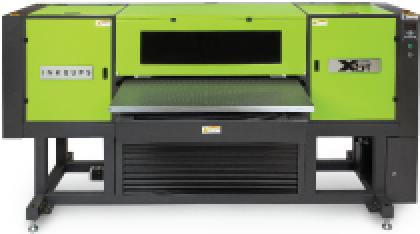 UV Flatbed Printers
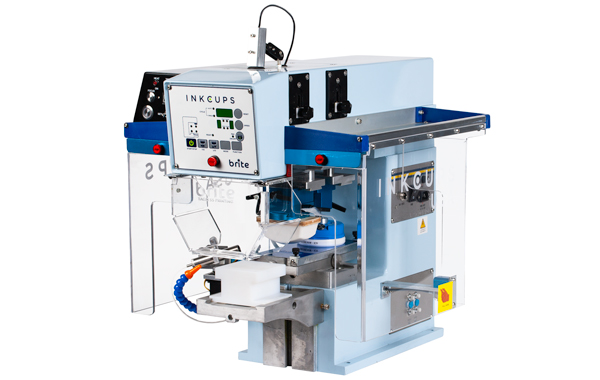
 Pad Printing Machines
 Pretreatment Systems
 Inkjet Printing Auxiliary
 Laser Plate-Makers
 Inkjet Printing Supplies
 Pad Printing Supplies
 Tagless Supplies
Frequently Asked Questions About Industrial Printing
-
Industrial printing is the process of applying graphics, text, identification marks, or other printed information to products or components as part of a manufacturing or product-decoration process. Unlike commercial printing, where the printed material itself is usually the finished product, industrial printing adds decoration or information to another manufactured item. Industrial printing can be used for branding, decorative graphics, instructions, safety markings, identification and other applications on materials such as plastic, metal, glass, textiles and rubber. Common industrial printing technologies include pad printing, screen printing and digital inkjet printing.
-
Common types of industrial printing include pad printing, screen printing and digital inkjet printing, plus UV flatbed and cylindrical direct-to-object printing. Pad printing is often used for small, curved or irregularly shaped parts, while screen printing can be effective for durable prints and larger print areas. Digital UV inkjet printing can produce high-resolution, multicolor graphics directly from digital artwork and can be configured for flat, cylindrical and other three-dimensional products. The appropriate printing method depends on factors including the product’s material, shape, print area, required image quality, production volume and durability requirements. Inkcups specializes in industrial pad printing and digital UV inkjet technologies, including flatbed and cylindrical printing systems.
-
Manufactured products can be decorated using printing methods such as pad printing, screen printing and direct-to-object digital inkjet printing. Pad printing is particularly useful for printing small images on irregular or three-dimensional surfaces. Screen printing is commonly used when durable ink coverage is required, while industrial UV inkjet systems can print detailed, full-color graphics directly onto products using digital artwork. The best method depends on the part’s material, geometry, production volume, artwork, number of colors, required durability and whether the printing process needs to integrate with an automated manufacturing line. Laser marking and engraving may also be used to permanently mark manufactured products, although these are marking processes rather than ink-based printing methods.
-
Industrial printing equipment is used across industries including automotive, electronics, medical devices, consumer products, apparel, promotional products, sporting goods, packaging and drinkware manufacturing. Manufacturers use industrial printers to apply branding, decorative graphics, identification, instructions, measurement marks and safety or compliance information directly to products and components. Industrial printing can be used on materials such as plastics, metals, glass, rubber and textiles and can support both individual workstations and automated production environments. Inkcups equipment, for example, is used across apparel, drinkware, promotional products, electronics, medical devices, sporting goods and automotive applications.
-
When buying an industrial printer, manufacturers should evaluate the product material and shape, print area, required colors and image quality, production volume, durability requirements, automation needs and total cost of operation. The printing technology must also be compatible with the substrate and able to meet required adhesion, abrasion, chemical or environmental resistance standards. Other considerations can include cycle time, part handling and tooling, pretreatment or curing requirements, changeover frequency, consumables, equipment footprint, operator training, technical support and maintenance. Testing actual production parts before selecting equipment can help verify print quality and adhesion for the intended application.