Containers and Packages
Printing on containers and packaging is a common process for many corporations looking to solidify their company brand and attract customers to purchase their products. The ability of direct to shape printing to print on a variety of surface with scratch-resistant ink that becomes part of the final product provides companies with a simple way to promote their brand and marketing through every aspect of the product design.
You can use single or multipass solutions to be able to print one color to full-color images on any type of packaging surface. Additionally, direct to shape printing is ideal for printing on any type of surfaces, not just traditional print media. It can produce vibrant life-like images on plastic, glass, metal, aluminum, cardboard, and even film.
Product Markings
Depending on what industry you are in, you may want your parts or products to bear your name or manufacturers markings so that customers can easily identify where it came from and where they will need to go to obtain a new one or replace a current one. This can be especially useful in marking on machine parts where the packaging has been discarded, and it may be some time before another part needs to be ordered.
You can also use direct-to-shape printing as an appropriate way to properly mark your products with the class trademark required for certain types of products. Though these types of markings used to be applied through engraving, the ability of direct to shape printing to print on multiple shapes and sizes makes marking easier, more versatile, and less expensive.
Garment Tagging
Garment manufacturers need to mark their products not only to identify and build their brand image but also to indicate the size and care instructions. Direct to shape printing allows you to both print on tags that affix to apparel but also provides the opportunity to print directly on the garments reducing the additional costs and labor of printing and then sewing in garment tags. Direct to shape printing also allows for easier text changing making it simple to mark multiple sizes and fabric garments without expensive setup costs.
Warning Verbiage
With liability being a top concern for many companies having the appropriate warnings for your products is important to prevent accidents and injuries and to lower the risk of lawsuits. With direct to shape printing, you can easily print necessary warnings on any types of products or packaging. Inkjet printing allows you to easily print warning instructions directly on the product, tag, or packaging where it can be clearly seen and stay on for the necessary duration. With UV ink and other resistant inks, you do not have to worry about the information becoming worn or illegible.
Signage
Signage is important to many industrial workplaces. Signage can be used to indicate areas in the plant where certain production occurs, emergency signage, warnings signs, nameplates, and signs indicating departments. While many of these signs can be printed on large flatbed printers, some signs will need to have a unique shape due to its placement or area it is mounted. With direct to shape printing, you can help these signs stand out both with their unique size and shape as well as the ability to print vibrant and easy to see images, which can be important if the sign needs to be highly visible.
Whether you are looking to mark your products with trademarks, add warnings to products and packaging, create unique signage that stands out, or produce product packaging that reinforces your brand in your customers’ minds, direct to shape printing can allow you to print the text and images you need no matter the size or shape.
With a range of direct to shape printing, you can print pieces in quantities from one to 100,000 and can choose from designs as simple as one-color text to full-color photo images. No matter what type of surface you need to print on for your industrial application, direct to shape printing may be the answer for you. Contact Inkcups today to learn more about direct to shape printing for your next project.
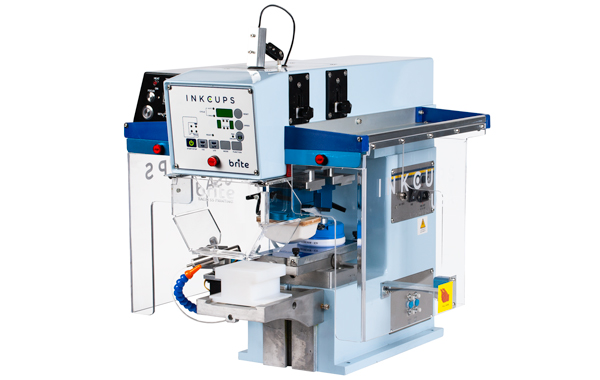 Tagless Printers
 Cylindrical Inkjet Printers
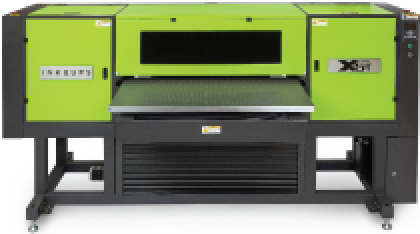 UV Flatbed Printers
 Pad Printing Machines
 Pretreatment Systems
 Inkjet Printing Auxiliary
 Laser Plate-Makers
 Inkjet Printing Supplies
 Pad Printing Supplies
 Tagless Supplies (tagless.inkcups.com)