What Is the Best Printing Method for Aluminum Cans?
Direct-to-can printing is a strong choice when brands need fast design changes, limited-edition packaging, personalization, in-house control, reduced label waste, and premium shelf appeal.
Direct-to-Can Printing vs. Labels and Shrink Sleeves
| Method |
Best For |
Limitations |
| Direct-to-can digital printing |
Short runs, limited editions, personalization, full-wrap graphics, and in-house production |
Requires investment in cylindrical printing equipment |
| Paper labels |
Simple low-volume labeling |
Can look less premium and add a separate material layer |
| Shrink sleeves |
Full-body coverage and medium runs |
May create recycling challenges and limit certain design effects |
| Traditional high-volume can printing |
Large national production runs |
Less flexible for frequent artwork changes or small batches |
How to Print on Aluminum Cans
Top of Form
Bottom of Form
The digital cylinder printing process typically includes the following six steps:
- Artwork preparation: The label design is prepared for cylindrical printing, including full-wrap graphics, floating logos, white ink, varnish, or metallic effects.
- Can loading: The aluminum can is placed into the cylindrical printer manually or through an automated loading system.
- Surface preparation: The can may be pre-treated with corona treatment, plasma treatment, or primer to improve ink adhesion.
- Applying the ink: The can rotates while the printer applies full-color UV ink directly to the aluminum surface.
- Curing: UV light cures the ink so the design bonds to the can.
- Unloading and inspection: The printed can is removed, inspected, and prepared for filling or packaging.
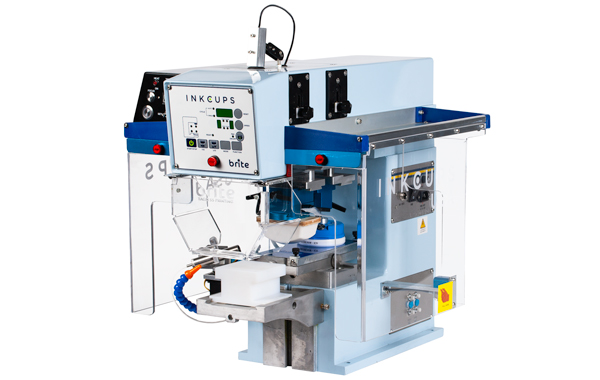 Tagless Printers
 Cylindrical Inkjet Printers
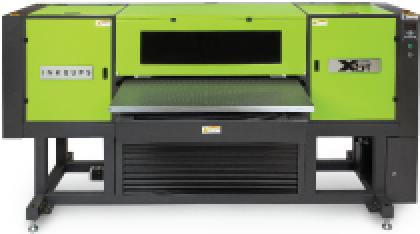 UV Flatbed Printers
 Pad Printing Machines
 Pretreatment Systems
 Inkjet Printing Auxiliary
 Laser Plate-Makers
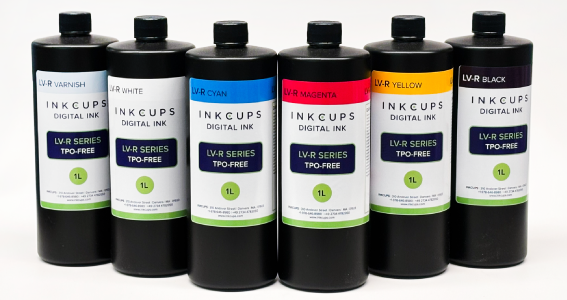 Inkjet Printing Supplies
 Pad Printing Supplies
 Tagless Supplies