In-Mold Labeling vs. Pressure-Sensitive Labels
What is the difference between in-mold labeling and pressure-sensitive labeling?
The primary difference between in-mold labeling and pressure-sensitive labeling is when and how the label is applied.
With in-mold labeling, the label is placed into the mold and becomes part of the plastic product during manufacturing. A pressure-sensitive label is applied to the surface of an already-manufactured product using an adhesive.
|
In-Mold Labeling |
Pressure-Sensitive Labels |
| Application |
Applied during molding |
Applied after manufacturing |
| Adhesive Required |
No |
Yes |
| Integration |
Label becomes integrated with the molded product |
Label sits on the product surface |
| Appearance |
Seamless, integrated appearance |
Visible label applied to surface |
| Durability |
Protected through integration with the product |
Dependent on label and adhesive |
| Production Considerations |
Incorporated into molding process |
Requires a secondary labeling step |
When should you choose IML over pressure-sensitive labels?
In-mold labeling can be advantageous for manufacturers producing high volumes of molded plastic products and looking to incorporate decoration directly into the manufacturing process.
Because pressure-sensitive labels are applied after a product is manufactured, they can provide greater flexibility for applications with multiple SKUs, frequent artwork changes, shorter production runs, or variable labeling requirements.
The right choice ultimately depends on production volume, product geometry, decoration requirements, and how much flexibility is needed after molding.
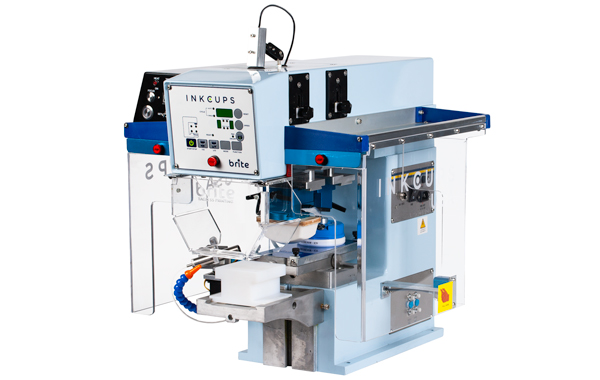 Tagless Printers
 Cylindrical Inkjet Printers
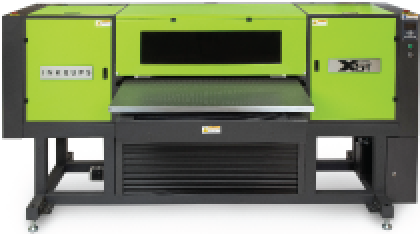 UV Flatbed Printers
 Pad Printing Machines
 Pretreatment Systems
 Inkjet Printing Auxiliary
 Laser Plate-Makers
 Inkjet Printing Supplies
 Pad Printing Supplies
 Tagless Supplies